

High Drama Unfolds: BJP Leader Allegedly Distributes Cash Ahead of Maharashtra Polls
As Maharashtra gears up for its crucial polls, a political storm has erupted over allegations that a Bharatiya Janata Party (BJP) leader distributed cash to influence voters. The claims have triggered widespread outrage among opposition parties, a media frenzy, and heightened scrutiny over the electoral process in the state. This unfolding drama not only raises questions about the fairness of elections but also underscores the enduring challenges of maintaining transparency in India’s democratic framework.
The Allegations
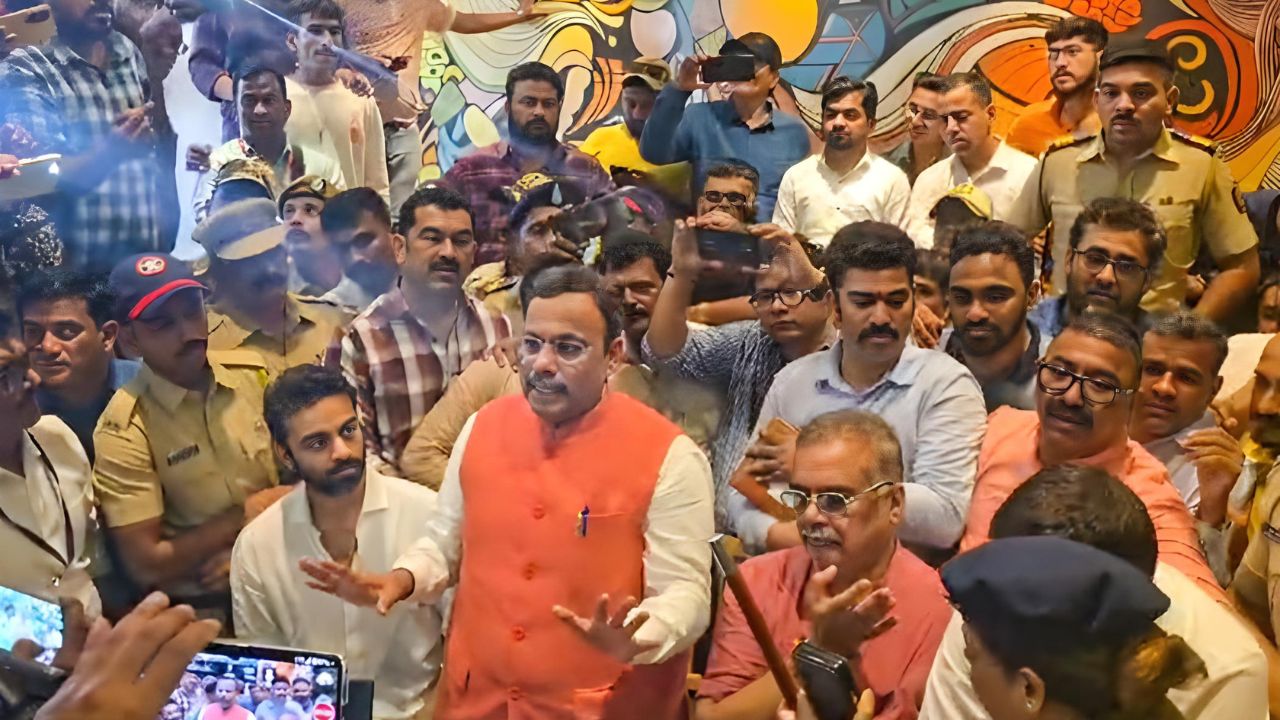
The controversy erupted when a video surfaced allegedly showing a BJP leader handing out cash envelopes to a group of individuals. The incident reportedly occurred in a district where the BJP is locked in a fierce battle with opposition parties, including the Congress and the Nationalist Congress Party (NCP). Opposition leaders were quick to pounce on the footage, accusing the ruling party of brazenly violating electoral norms and undermining the democratic process.
The BJP, however, has denied the allegations, dismissing the video as “fabricated” and a deliberate attempt by opposition parties to tarnish its image ahead of the elections. Party spokespersons have called for an investigation, emphasizing their commitment to upholding the principles of free and fair elections.
Opposition Reaction
The opposition parties have seized the opportunity to launch a scathing attack on the BJP, accusing the ruling party of resorting to corrupt practices to secure votes. Congress leader Rahul Gandhi condemned the alleged act, stating, “This is yet another example of the BJP’s desperation to cling to power at any cost. The people of Maharashtra deserve better.”
The NCP’s Sharad Pawar echoed similar sentiments, asserting that such tactics undermine the sanctity of democracy. “The BJP’s actions reflect their fear of losing the trust of the people. They must be held accountable,” he remarked.
Legal and Electoral Implications
The Election Commission of India (ECI) has taken cognizance of the matter and ordered a preliminary inquiry. If the allegations are proven true, the leader in question could face serious legal consequences, including disqualification from contesting the polls. The Representation of the People Act, 1951, strictly prohibits bribery and other corrupt practices during elections.
Additionally, the incident has sparked discussions about the efficacy of existing mechanisms to curb electoral malpractices. Critics argue that despite stringent laws, the enforcement of these provisions often falls short, allowing such incidents to go unchecked.
Public Perception and Media Coverage
The allegations have dominated headlines and sparked debates across news channels and social media platforms. Public opinion appears divided, with some expressing outrage over the alleged misconduct and others questioning the authenticity of the video.
Social media has become a battleground, with hashtags like #MaharashtraPollScandal and #CashForVotes trending across platforms. Supporters of the BJP have accused the opposition of orchestrating a smear campaign, while critics of the ruling party have called for greater accountability.
Historical Context
Incidents of cash-for-votes scandals are not new in Indian politics. Over the years, several political parties across the spectrum have been accused of indulging in similar practices. Such allegations often resurface during elections, highlighting the persistent challenge of eradicating corruption from the electoral process.
For instance, the infamous “cash-for-votes” scandal during the 2008 trust vote in Parliament remains etched in public memory. Similarly, state elections in Tamil Nadu and Andhra Pradesh have witnessed allegations of mass bribery, raising concerns about the role of money power in shaping electoral outcomes.
Broader Implications
The incident has reignited debates about the need for comprehensive electoral reforms in India. Experts argue that measures such as state funding of elections, stricter auditing of political parties’ finances, and greater transparency in campaign funding could help mitigate the influence of money in politics.
Moreover, the controversy underscores the importance of voter education. Empowering citizens to make informed choices and resist inducements is crucial for strengthening the democratic fabric of the country.
The Way Forward
As the Election Commission investigates the allegations, all eyes will be on the outcome of the inquiry. If the BJP leader is found guilty, it could deal a significant blow to the party’s credibility and electoral prospects in Maharashtra. Conversely, if the allegations are proven false, it could bolster the BJP’s narrative of being unfairly targeted by its rivals.
Regardless of the outcome, the incident serves as a stark reminder of the need for vigilance in safeguarding the integrity of elections. Political parties, election authorities, and citizens must collectively work towards ensuring that democracy remains a beacon of hope and fairness.
Conclusion
The allegations against the BJP leader have cast a shadow over the Maharashtra polls, raising critical questions about the role of money and power in elections. While the truth behind the claims remains to be determined, the incident has sparked a much-needed conversation about the challenges of maintaining transparency and accountability in India’s electoral process.
As Maharashtra heads to the polls, the incident will likely remain a focal point of political discourse, shaping voter perceptions and influencing the broader narrative surrounding the elections. Only time will tell how this controversy unfolds, but its implications for India’s democracy are undeniable.