

Hyderabad Prepares for Water Release from Himayatsagar and Osmansagar Reservoirs
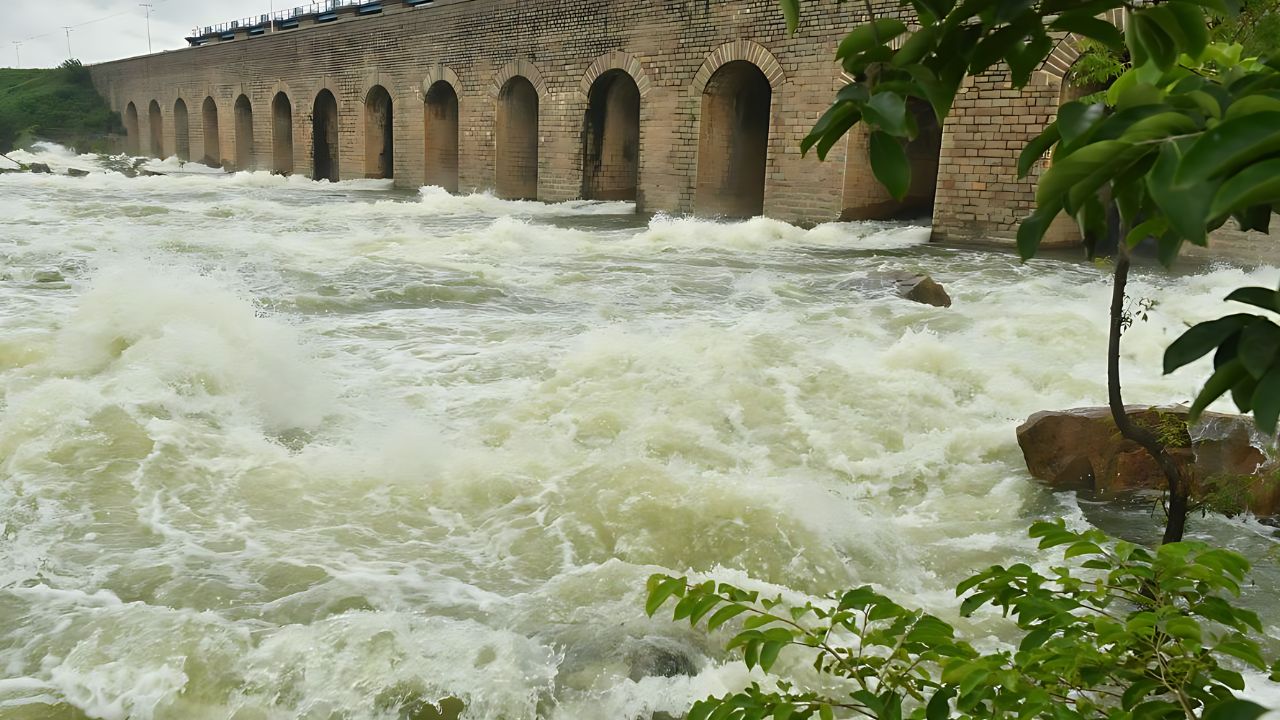
Hyderabad: In anticipation of heavy rains and rising water levels, the Hyderabad Metropolitan Water Supply & Sewerage Board (HMWS&SB) has announced that the gates of the Himayatsagar and Osmansagar reservoirs will be lifted this evening to release water into the Musi River. Both reservoirs are currently near their full tank level (FTL) capacities, necessitating controlled water release to prevent flooding and maintain safe reservoir levels.
This decision, taken on Saturday, September 7, 2024, comes as part of precautionary measures to manage excess water inflow due to ongoing rains in the region. The release of water will help reduce the pressure on the reservoirs and ensure the safety of surrounding areas. However, it also poses potential risks, prompting authorities to issue alerts and advisories for the local population.
Details of Water Release
At Osmansagar, two gates will be lifted by one foot each to maintain an outflow of 226 cubic feet per second (cusecs). Meanwhile, at Himayatsagar, one gate will be lifted by one foot to manage an outflow of 340 cusecs into the downstream Musi River. This operation aims to regulate the water levels within safe limits while managing the flow into the Musi River, which runs through Hyderabad and serves as a crucial drainage outlet for excess water.
The decision to lift the gates was made after careful assessment of the current water levels and weather forecasts. Authorities are closely monitoring the situation, as any mismanagement could lead to flooding in low-lying areas along the Musi River, affecting residential and commercial zones.
Precautions and Alerts Issued
HMWS&SB Chief Ashok Reddy has urged administrative units in Hyderabad and Rangareddy districts, including the police and the Greater Hyderabad Municipal Corporation (GHMC), to be on high alert and exercise caution. The operation to release water from the reservoirs requires coordinated efforts from multiple agencies to ensure public safety and minimize disruptions.
Local authorities have been advised to set up emergency response teams, including disaster management personnel, to address any potential flooding or waterlogging issues that may arise from the increased flow into the Musi River. The police are also being deployed to manage traffic and crowd control in areas likely to be affected by the water release.
Residents living near the riverbanks and in low-lying areas have been warned to stay vigilant and be prepared for possible evacuations if water levels rise significantly. The public is advised to avoid unnecessary travel near the reservoirs and riverbanks during this period, as increased water flow can lead to hazardous conditions.
Past Incidents and Historical Context
This is not the first time Hyderabad has had to manage excess water release from its reservoirs. The city has a history of dealing with such challenges, especially during the monsoon season when inflows into reservoirs often exceed their storage capacity. For instance, in July 2023, surplus water was discharged from Himayatsagar into the Musi River, causing minor flooding in nearby areas.
The management of these reservoirs is crucial, as they serve as primary water sources for Hyderabad and play a significant role in flood control. However, with rapid urbanization and encroachment along riverbanks, the risk of flooding has increased, making the careful operation of these water bodies even more critical.
Impact on Hyderabad’s Infrastructure
The release of water from Himayatsagar and Osmansagar is expected to impact several areas along the Musi River. Hyderabad’s infrastructure, particularly in low-lying regions, is often vulnerable to waterlogging and flooding during heavy rains and reservoir releases. Roads, drainage systems, and public utilities may experience stress, affecting the daily lives of residents.
To mitigate these impacts, the GHMC has been actively working to clear stormwater drains and improve drainage systems across the city. However, the effectiveness of these measures will be tested as water from the reservoirs flows into the river. The GHMC has assured the public that it is prepared to handle the situation and has placed teams on standby to address any emergencies promptly.
Safety Measures for Residents
For residents in the affected areas, safety remains a top priority. The following measures are recommended:
Stay Informed: Keep up to date with official announcements and weather updates from local authorities. Information will be disseminated through news channels, radio broadcasts, and official social media handles of HMWS&SB and GHMC.
Avoid Flood-Prone Areas: Residents living near the Musi River or other low-lying regions should avoid these areas, especially during periods of heavy rainfall. If water levels appear to be rising, move to higher ground immediately.
Emergency Preparedness: Households should prepare emergency kits that include essential items such as drinking water, non-perishable food, medications, flashlights, batteries, and important documents. This preparation is crucial in the event of sudden flooding or evacuation orders.
Road Safety: Avoid driving or walking through flooded streets, as water depth can be deceptive and potentially hazardous. Vehicles can lose traction, and pedestrians can be swept away by strong currents.
Community Support: Check on neighbors, especially the elderly, disabled, or those with young children, to ensure they are safe and have the necessary resources to deal with the situation. Community cooperation is essential in times of crisis.
Environmental and Ecological Considerations
The release of water from reservoirs into rivers like the Musi has significant environmental and ecological implications. While it is necessary to manage reservoir levels and prevent overflow, the increased flow can disrupt local ecosystems, affect aquatic life, and alter water quality.
The rapid discharge of water can lead to soil erosion along riverbanks, impacting vegetation and habitats. Additionally, any pollutants that may have accumulated in urban runoff could be washed into the river, further affecting water quality. Environmental agencies are monitoring these impacts and advising on measures to minimize ecological disruption.
Future Plans and Long-Term Solutions
To better manage water resources and reduce the frequency of emergency releases, the Hyderabad authorities are exploring long-term solutions. These include enhancing the storage capacity of existing reservoirs, constructing additional flood control infrastructure, and implementing advanced water management technologies.
Investments in modern hydrological forecasting tools and real-time monitoring systems are also being considered to improve the prediction and management of water inflows during monsoon seasons. By leveraging data and technology, the city aims to develop more proactive and efficient responses to weather-related challenges.
The Role of Public Awareness and Participation
Public awareness and participation play a critical role in managing the impacts of water releases from reservoirs. Authorities emphasize the importance of community engagement in flood preparedness initiatives, such as participating in emergency drills, attending informational sessions, and following safety advisories.
Moreover, residents are encouraged to report any signs of infrastructure damage, blockages in drainage systems, or other hazards that could exacerbate flooding. Active citizen participation can greatly enhance the city’s ability to respond to and recover from adverse weather events.
Conclusion
As Hyderabad prepares to manage the controlled release of water from the Himayatsagar and Osmansagar reservoirs, the combined efforts of government agencies, local authorities, and the community will be crucial in mitigating risks and ensuring public safety. While the immediate focus remains on addressing the current situation, the long-term goal is to develop a more resilient infrastructure that can better withstand the challenges posed by extreme weather and urban development.
The decision to lift the gates of these reservoirs is a reminder of the delicate balance required in water management — safeguarding communities while preserving vital water resources. By staying informed, prepared, and cooperative, Hyderabad can navigate through this period of heightened water management with resilience and caution.
Residents are encouraged to remain vigilant, follow official guidance, and support one another as the city works to manage the impacts of this necessary water release.