


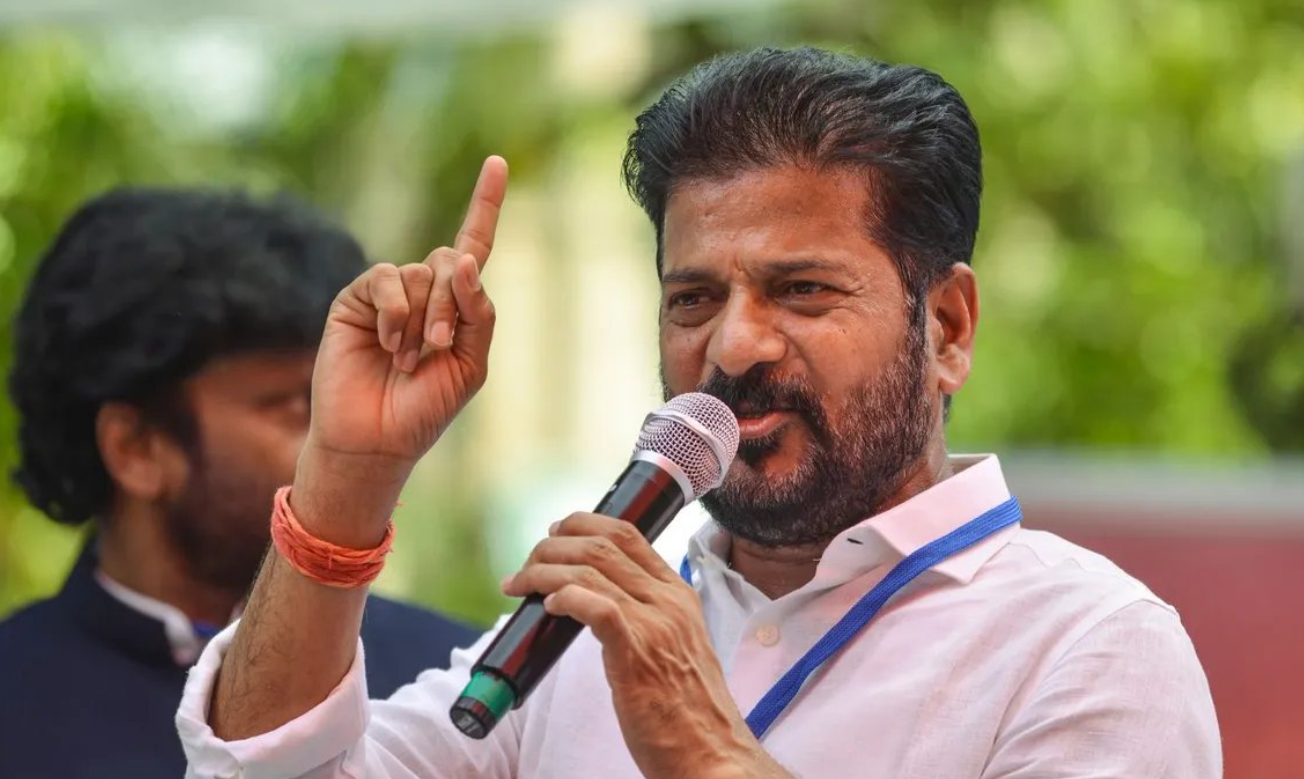
The debate over backward class (BC) reservations in Telangana intensified on Monday after Chief Minister Revanth Reddy urged the Central government to immediately approve state bills providing 42 percent quota for BCs in local body elections.
The Chief Minister, addressing media persons and party cadres in Hyderabad, asserted that empowering marginalized communities remains central to Telangana’s governance model. He argued that despite the state legislature passing the bills, they continue to remain pending with the Centre, thereby stalling progress on inclusive democracy at the grassroots.
Background of the Quota Demand
Telangana has a long history of advocating for stronger political representation for backward classes, who constitute a significant portion of the state’s population. State data shows that BCs account for more than 50 percent of the population, but their presence in political offices, especially in panchayats and municipal bodies, is relatively limited.
The state assembly earlier passed multiple bills enhancing BC quota in local bodies from 34 percent to 42 percent. However, as per constitutional requirements, changes exceeding the 50 percent cap on total reservations must receive approval from the Union government.
CM’s Statement
“Telangana has always stood with the backward classes. It is not just a matter of social justice, but also political justice,” CM Revanth Reddy declared. “We demand that the Centre act swiftly and approve the bills to reflect the aspirations of our people.”
The Chief Minister accused the Union government of deliberately delaying the process and questioned whether political motives were behind the hold-up.
Legal and Constitutional Context
The Supreme Court has consistently ruled that reservations should not exceed 50 percent, except in extraordinary circumstances. However, states like Tamil Nadu have historically breached this limit with special provisions. Telangana hopes to follow a similar model, arguing that its unique demographic composition justifies a higher quota.
Legal experts suggest that the Centre’s approval is critical because any implementation without it could face judicial challenges. The state has also indicated that it is willing to present additional data, including caste-based population figures, to justify the move.
Opposition Reactions
Opposition parties in Telangana have responded cautiously. While supporting the principle of enhanced representation for BCs, they have accused the ruling government of politicizing the issue ahead of upcoming elections. Some parties argue that the state must focus on effective implementation of existing welfare schemes rather than making promises that hinge on central approval.
Grassroots Impact
If implemented, the enhanced quota would significantly alter the composition of local bodies. Panchayats and municipal councils would see a surge in BC representation, ensuring that decision-making at the grassroots reflects the aspirations of historically marginalized communities.
Activists believe that political empowerment is as critical as economic upliftment, as it provides marginalized communities with a voice in governance.
Centre’s Silence
The Union government has not yet issued a formal response to the Chief Minister’s demand. However, senior officials within the Ministry of Law and Justice reportedly indicated that the proposal is being examined for constitutional validity.
Political observers suggest that the Centre may tread cautiously given the broader national debate on caste-based census data and reservation limits.
Civil Society’s Stand
Several BC organizations and rights groups have extended support to the CM’s demand, staging protests and rallies in Hyderabad and district headquarters. They insist that the delay in approval only reinforces existing inequalities.
The Road Ahead
The matter is likely to escalate into a larger political confrontation between Telangana and the Union government. With elections around the corner, both sides may use the issue to consolidate their voter bases.