


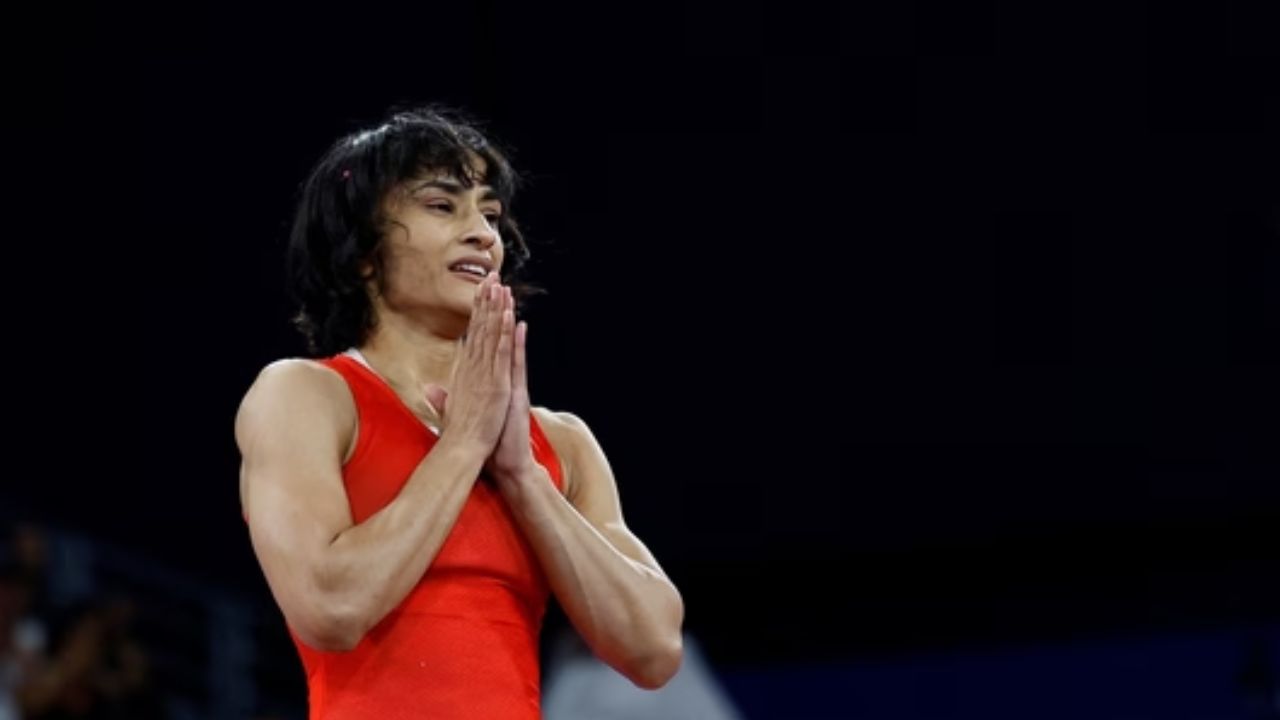
The Indian Olympic Association (IOA) has voiced its profound dissatisfaction following the recent ruling by the Court of Arbitration for Sport (CAS) that rejected wrestler Vinesh Phogat’s appeal. The decision has sparked widespread dismay, particularly within the Indian sporting community, which views the existing regulations as excessively punitive and lacking in consideration for athletes’ well-being.
Vinesh Phogat, one of India’s premier wrestlers and a leading contender for a medal at the Paris Olympics 2024, had sought relief from CAS after she was subjected to what she and her supporters describe as unfair and overly stringent rules. The appeal centered on regulations that, according to Phogat, disregard the physical and mental toll on athletes, imposing requirements that are not only challenging but also detrimental to their overall health.
The CAS ruling has been met with outrage by the IOA, which has condemned the decision in the strongest terms. In a scathing statement, the association labeled the regulations as “inhumane,” arguing that they fail to account for the realities of competitive sports at the highest level. The IOA highlighted the need for a more empathetic approach to athlete management, one that balances the demands of competition with the imperative of safeguarding athletes’ health and dignity.
The IOA’s response reflects a growing concern among athletes and sports administrators alike about the rigid and often draconian nature of certain sports regulations. In recent years, there has been increasing recognition of the need for reforms that prioritize the well-being of athletes, ensuring that rules are not just fair but also humane.
In the wake of the CAS decision, the IOA has indicated its intention to explore all available legal avenues to challenge the ruling. This could potentially include appeals to higher judicial bodies or even pushing for changes in the international regulations governing the sport. The association is committed to supporting Phogat in her quest for justice and ensuring that her rights as an athlete are upheld.
This situation has also ignited a broader debate about the ethical responsibilities of sports governing bodies. Critics argue that the current system often prioritizes competition over the health and welfare of athletes, leading to situations where individuals are pushed beyond their limits. The IOA’s stance is seen as a pivotal moment in this ongoing discussion, with the potential to influence future policy changes.
For Phogat, the rejection of her appeal is undoubtedly a setback in her preparations for the Paris Olympics. However, the widespread support she has received highlights the deep respect and admiration she commands both in India and internationally. The outcome of this legal battle could have far-reaching implications, not just for her career, but for the future of sports regulations worldwide.
As the Paris Olympics approach, all eyes will be on how this situation unfolds. The IOA’s commitment to pursuing justice for Phogat signals a determination to ensure that Indian athletes are treated with the respect and fairness they deserve on the global stage. The coming months are likely to see continued legal and public discourse on the matter, as the sporting community rallies behind Phogat and the broader cause of athlete rights.