

Incident of Assault on Female Doctor at Gandhi Hospital Highlights Concerns Over Safety and Security in Healthcare Settings
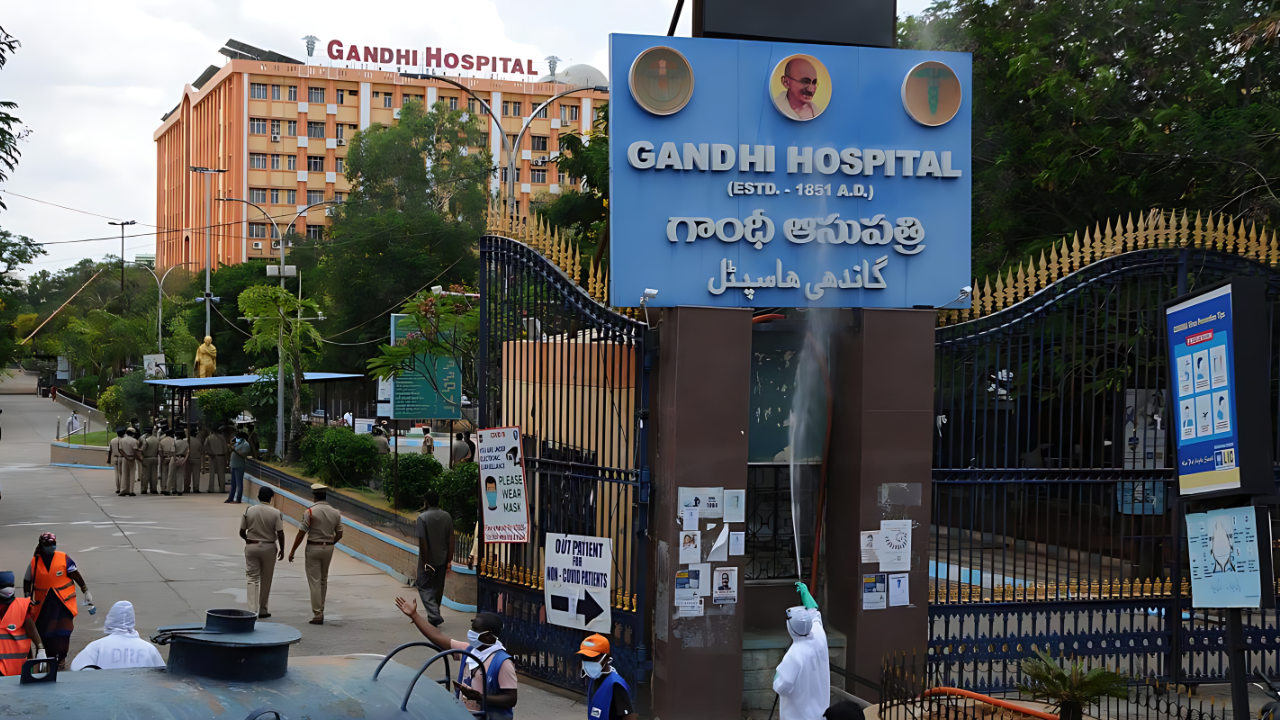
The recent assault on a female house surgeon by an intoxicated patient at Gandhi Hospital in Secunderabad has raised serious concerns about the safety of healthcare professionals in India’s medical institutions. This incident underscores the vulnerability of doctors and the urgent need for improved security measures in hospitals, particularly in government-run facilities.
This article explores the details of the incident, the broader implications for the safety of medical professionals, the systemic challenges faced by public hospitals, and the necessary steps that need to be taken to prevent such incidents in the future.
The Incident
On the afternoon of September 11, 2024, a female house surgeon at Gandhi Hospital was assaulted by a patient in his late 40s who was in a state of intoxication. The doctor was attending to another patient in the casualty ward when she passed by the intoxicated patient. In a sudden and unprovoked act, the patient attempted to grab the doctor and assaulted her, tearing her apron in the process. The patient was described as being in a delirious state, characterized by confusion and erratic behavior.
Security personnel responded promptly, and the patient attempted to flee but was apprehended by the Special Protection Force (SPF) stationed at the hospital’s main gate. According to Dr. M. Vamshi Krishna, Vice-President of the Telangana Junior Doctors Association (T-JUDA), the incident has sparked widespread outrage among the medical fraternity and has brought to the forefront the issue of safety in healthcare settings.
Safety of Healthcare Professionals: A Growing Concern
The assault on the female doctor at Gandhi Hospital is not an isolated incident; rather, it is part of a troubling trend of violence against healthcare professionals in India. Doctors, nurses, and other medical staff often find themselves at risk of verbal and physical abuse, particularly in high-pressure environments such as emergency and casualty wards. Factors contributing to such incidents include patient frustration, long waiting times, inadequate hospital infrastructure, and, as in this case, the presence of intoxicated or mentally unstable individuals.
According to the Indian Medical Association (IMA), incidents of violence against doctors and healthcare workers are increasing, with surveys indicating that a significant proportion of medical professionals have experienced some form of violence in their workplace. This growing trend of aggression not only puts the lives and well-being of healthcare providers at risk but also hampers the overall functioning of the healthcare system.
Systemic Challenges in Public Hospitals
Gandhi Hospital, being a prominent state-run medical institution in Telangana, caters to a large number of patients daily, many of whom are from economically disadvantaged backgrounds. The hospital’s casualty and emergency departments, in particular, see high patient inflow, often resulting in overcrowding and stretched resources.
Several systemic challenges contribute to the vulnerability of healthcare workers in such settings:
Inadequate Security Measures: Public hospitals, including Gandhi Hospital, often suffer from a lack of adequate security personnel and measures to protect staff. Security protocols are frequently under-resourced, and there may be insufficient training for personnel to handle aggressive or intoxicated patients.
High Patient Load: The overwhelming number of patients in government hospitals often leads to long waiting times and overcrowding, which can create a tense and volatile environment. Healthcare workers, already under pressure to manage high caseloads, become easy targets for frustrated patients and their families.
Infrastructure Deficiencies: Many public hospitals struggle with inadequate infrastructure, including poorly maintained facilities, insufficient space, and a lack of basic amenities. These conditions can exacerbate patient frustration and contribute to the risk of altercations.
Mental Health and Substance Abuse Issues: A significant number of patients in emergency settings may be dealing with mental health issues or intoxication, as was the case in this incident. Managing these patients requires specialized skills and protocols that are often lacking in general hospital settings.
Implications for the Medical Community
The assault on the female doctor has sparked anger and concern among medical professionals, prompting calls for urgent action to improve security and protect healthcare workers. The Telangana Junior Doctors Association (T-JUDA) and other medical associations have condemned the incident and called for stronger measures to ensure the safety of doctors in their workplaces.
This incident serves as a stark reminder of the daily risks faced by doctors and the need for systemic reforms to address these challenges. Ensuring the safety of healthcare workers is not just about protecting individuals; it is also about safeguarding the overall quality and efficiency of healthcare delivery.
Measures to Enhance Security in Hospitals
Addressing the issue of violence against healthcare workers requires a multi-faceted approach that includes both immediate and long-term measures. Key steps that can be taken to enhance security and safety in hospitals include:
Enhanced Security Protocols: Hospitals should invest in comprehensive security protocols, including the deployment of trained security personnel, installation of CCTV cameras, and the establishment of quick response teams to manage incidents of violence.
Strict Access Control: Implementing stricter access control measures can help regulate the flow of individuals into sensitive areas such as emergency and casualty wards. This includes the use of ID checks, visitor passes, and limiting the number of attendants allowed per patient.
Training for Staff: Healthcare workers should receive training on de-escalation techniques and how to handle aggressive or intoxicated patients. Additionally, security staff should be trained to recognize and manage potentially volatile situations effectively.
Support Systems for Victims: Hospitals should establish support systems for healthcare workers who experience violence, including access to counseling, legal support, and the option to report incidents anonymously without fear of retaliation.
Public Awareness Campaigns: Raising awareness about the challenges faced by healthcare workers and promoting respect and understanding among patients and their families can help reduce incidents of violence. Public education campaigns can emphasize the importance of cooperation and patience in healthcare settings.
Legislative Measures: Stronger legal protections for healthcare workers, including stringent penalties for those who assault medical professionals, can act as a deterrent. The enforcement of existing laws and the introduction of new legislation specific to the protection of healthcare workers are crucial steps.
Conclusion
The assault on the female house surgeon at Gandhi Hospital is a stark reminder of the urgent need to address the safety and security concerns of healthcare professionals in India. As the medical community continues to serve on the front lines, especially in high-pressure environments, it is imperative that their safety is prioritized through enhanced security measures, systemic reforms, and public education.
Protecting healthcare workers is not just a matter of occupational safety; it is integral to the functioning of a resilient and effective healthcare system. The incident at Gandhi Hospital should serve as a catalyst for comprehensive changes that ensure healthcare providers can perform their duties without fear of violence, thereby fostering a safer and more supportive environment for both medical staff and patients.