


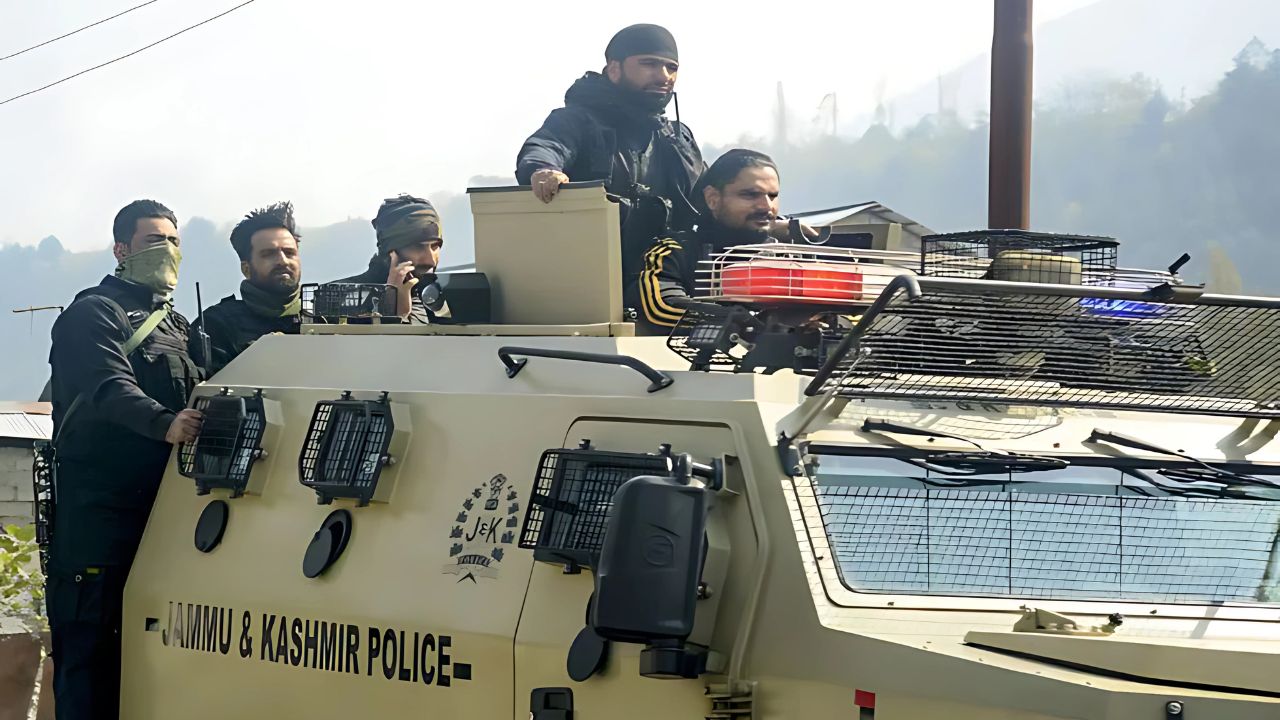
The Ganderbal tragedy presents a significant security challenge to Jammu & Kashmir’s newly elected Chief Minister, Omar Abdullah. The attack, carried out by a Pakistan-backed terror outfit, targeted a tunnel construction site in Ganderbal, killing seven people, including six non-local workers. This heinous act highlights the shifting tactics of terrorists, aiming to disrupt infrastructure projects like the Z-Morh tunnel and intimidate non-locals through targeted killings. With five such attacks in Kashmir this year, it reveals a disturbing trend of terrorists targeting non-locals to destabilize the region. The attack occurred in the Chief Minister’s constituency, marking a direct challenge to the newly installed government. Meanwhile, the busting of a recruitment module linked to Lashkar-e-Taiba, alongside this attack, underscores a larger plot orchestrated by Pakistan to maintain unrest. The timing, coinciding with External Affairs Minister S. Jaishankar’s visit to Pakistan, reflects a familiar pattern of terror strikes following conciliatory gestures, signaling Pakistan’s refusal to cease sponsoring terrorism.
The Ganderbal tragedy of Jammu & Kashmir is a stark reminder of the persistent security threats that continue to plague the region, challenging the newly elected government under Chief Minister Omar Abdullah. As India was reveling in the success of a peaceful Assembly election and the installation of an elected government, terrorists struck yet again, shattering the sense of optimism. The attack, which targeted a tunnel construction site at Gund in Ganderbal district, claimed the lives of seven individuals, including six non-local workers, and left several others injured. This Pakistan-backed terror strike serves as a grim reminder of the evolving and shifting tactics of terror outfits operating in the Valley.
The incident comes at a time when infrastructure projects, such as the Z-Morh tunnel, are critical to enhancing connectivity and improving economic opportunities in Jammu & Kashmir. By targeting a site of such strategic importance, terrorists sought to send a clear and ominous message: they will not allow the region to stabilize and progress without disruption. The Z-Morh tunnel, which is part of the larger Zojila tunnel project, is vital for providing all-weather connectivity between Srinagar and Ladakh. The attack, therefore, is not merely a terror strike but a direct assault on the aspirations of the region to integrate with the rest of the country through development and infrastructure.
The Shift in Tactics: Targeting Infrastructure and Non-Locals
The targeted attack on an under-construction site reveals a disturbing shift in the tactics of terrorists and their handlers in Pakistan. By aiming at infrastructure projects, the terrorists are seeking to disrupt the development narrative that the Indian government is trying to project in Jammu & Kashmir. This attack is the fifth targeted killing in Kashmir this year, reflecting a clear trend where terrorists are focusing on non-locals—either tourists or migrant workers—who are instrumental in driving economic activities and infrastructure development in the region.
Their objective is twofold: to scare away non-locals, thereby crippling the labor force required for major development projects, and to sabotage tourism, which is a major source of revenue and goodwill for the region. The targeting of non-local workers in particular is a message aimed at discouraging the inflow of external labor and investments into Kashmir, effectively isolating the region economically.
Reports suggest that the construction site where the attack occurred lacked adequate security measures, raising questions about the preparedness of local authorities in safeguarding critical infrastructure projects. Given the strategic importance of the Zojila tunnel project, such security lapses are alarming and warrant an immediate investigation. This project, essential for ensuring year-round connectivity between Srinagar and Ladakh, should have been prioritized for robust security protection.
Omar Abdullah’s First Big Security Test
For Chief Minister Omar Abdullah, the Ganderbal tragedy represents the first major security challenge of his tenure. Having assumed office amid an atmosphere of hope and optimism following a peaceful election, Abdullah now faces the grim reality of tackling a deeply entrenched security problem. The attack took place in Ganderbal, the Chief Minister’s constituency, making it not just a security challenge but a personal and political one as well.
Omar Abdullah’s leadership will be tested on how he responds to this crisis, both in terms of restoring security and ensuring that development projects like the Z-Morh tunnel continue unabated. This attack, therefore, serves as a crucial litmus test for his government’s ability to navigate the delicate balance between security and development—two pillars on which the future of Jammu & Kashmir hinges.
Pakistan’s Hand: The Familiar Pattern of Disruption
The timing of the attack is not coincidental. It came shortly after External Affairs Minister S. Jaishankar’s visit to Pakistan for the Shanghai Cooperation Organisation (SCO) summit, marking the first such visit by an Indian Foreign Minister in nine years. During this visit, former Pakistani Prime Minister Nawaz Sharif called for the resumption of constructive dialogue between India and Pakistan, advocating for burying the past and moving forward towards a better future. Yet, as has been observed time and again, any semblance of peace overtures from Pakistan’s civilian leadership is quickly followed by terror strikes, orchestrated by elements within Pakistan’s military establishment and its proxy terror outfits.
This attack in Ganderbal fits the familiar pattern of Pakistan’s dual approach—while its civilian leaders speak of reconciliation and dialogue, the military-intelligence complex continues to fan the flames of terrorism in India. This dichotomy points to the unwillingness of Pakistan’s military leadership to shut down its terror infrastructure or stop meddling in Kashmir. The attack underscores the deep-rooted policy of the Pakistani military to use terrorism as a strategic tool against India, and it demonstrates that they are unwilling to turn off the “terror tap”, even as diplomatic engagements take place.
Emerging Threats: New Terror Outfits and Recruitment Modules
In tandem with the Ganderbal attack, reports of the J&K police busting a recruitment module linked to a new terror outfit affiliated with Lashkar-e-Taiba add to the growing sense of unease. This new outfit, identified as Tehreek Labaik Ya Muslim, is reportedly led by a Pakistani handler and is suspected of planning further terror activities in the region. The emergence of such outfits signals a worrying trend of fragmentation and reinvention among terrorist groups in Kashmir, as they attempt to adapt to the changing security environment by creating new fronts to evade scrutiny.
The discovery of recruitment modules within the Valley further complicates the security dynamics, as it suggests that the local radicalization apparatus is still active, and terror groups continue to find new recruits. The Centre and the Union Territory governments must therefore coordinate closely to monitor and dismantle such recruitment networks, ensuring that the flow of militants into terror outfits is stemmed at its source.
A Coordinated Response: Restoring Peace and Normalcy
The Ganderbal tragedy highlights the urgent need for the Centre and the Jammu & Kashmir government to work in tandem to restore peace and normalcy in the region. As terrorists increasingly target infrastructure projects and non-locals, it becomes crucial for security forces to anticipate new tactics and preempt attacks on vital assets. This requires not only bolstering physical security but also addressing the underlying factors that fuel militancy in the region.
Counter-terrorism strategies must be recalibrated to account for the changing nature of the threat, including the rise of new terror outfits and the targeting of economic and development activities. In addition to strengthening security protocols around key infrastructure projects, the government must also focus on addressing local grievances, engaging in development-driven peacebuilding, and ensuring that the benefits of growth reach all segments of the population.
At the same time, international pressure on Pakistan to dismantle its terror infrastructure must be maintained. India must continue to expose Pakistan’s role in sponsoring terrorism at global forums, while simultaneously pursuing a robust counter-insurgency campaign within the Valley.
In conclusion, the Ganderbal attack represents not only a direct challenge to Chief Minister Omar Abdullah’s leadership but also an ominous signal of the evolving threat posed by Pakistan-backed terror outfits. The response to this tragedy must be swift, coordinated, and multifaceted, addressing both the immediate security concerns and the broader geopolitical dynamics at play. Only by adopting a comprehensive approach can Jammu & Kashmir move toward lasting peace, stability, and development.